ADVERTISEMENT
When “Charlie’s Angels” Arrived, Television Didn’t Know What to Do With It
When Charlie’s Angels premiered in 1976, it landed in the middle of a television landscape that still tended to treat women as side characters, love interests, or decorative additions to male-led stories. Crime dramas and action series were thriving, but the center of gravity—who got to be decisive, physical, clever, and respected—was still overwhelmingly male.
That’s why the show’s basic premise felt disruptive even before anyone saw an episode: three women solving serious cases, working in the field, and outsmarting criminals, with a mysterious boss—Charlie Townsend—who remained off-screen, guiding them through a speakerphone like a myth. Created by Ivan Goff and Ben Roberts, the series was packaged as a glossy crime show with style and humor, but the real cultural spark came from what it quietly insisted: women could be the heroes of an action story, and audiences would show up for it.
From the beginning, Charlie’s Angels wasn’t just entertainment. It was a cultural argument delivered through chase scenes, disguises, and tightly paced mysteries.
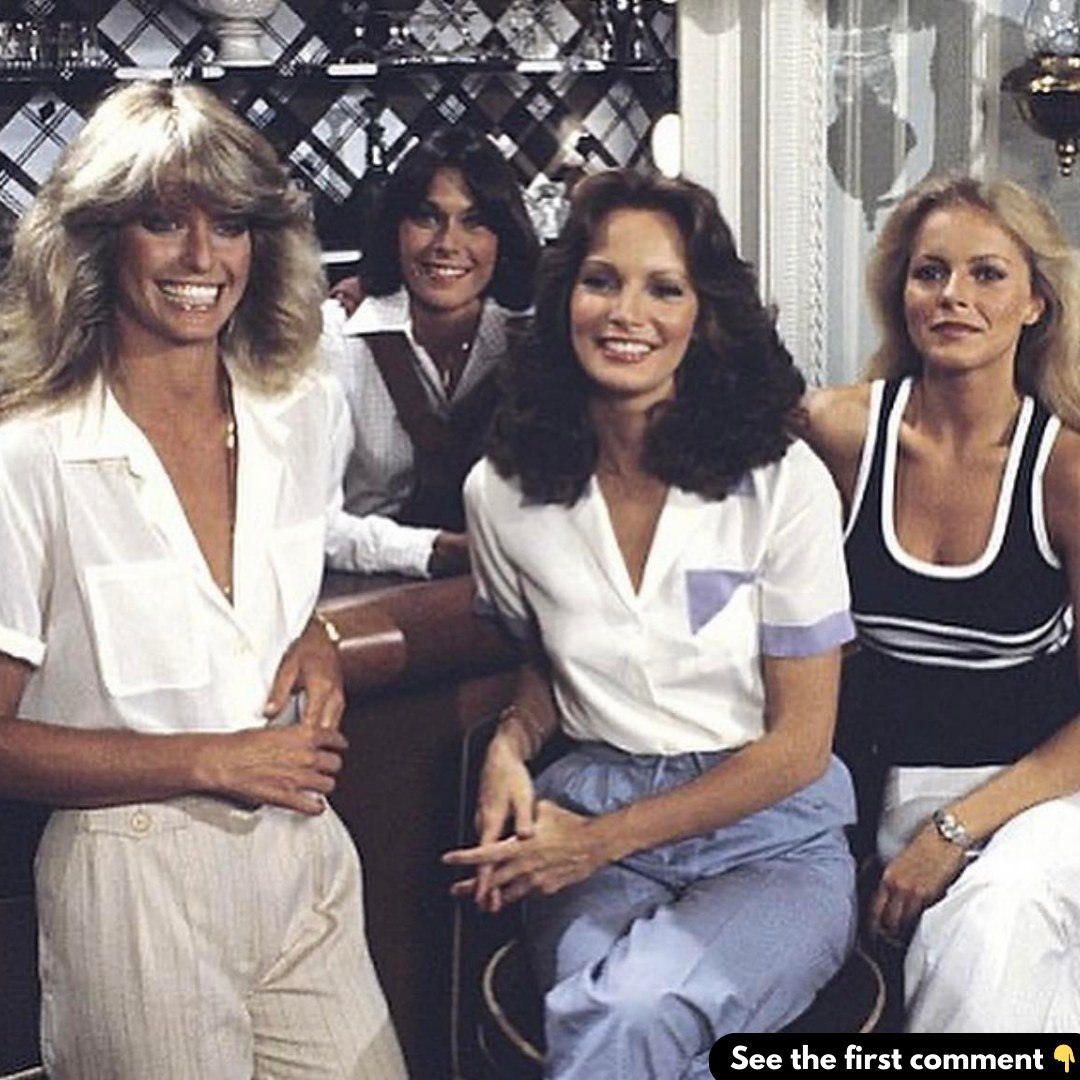
The original lineup—Farrah Fawcett, Kate Jackson, and Jaclyn Smith—became instantly recognizable. Not because they were presented as identical “types,” but because the show worked hard to differentiate them.
ADVERTISEMENT
