ADVERTISEMENT
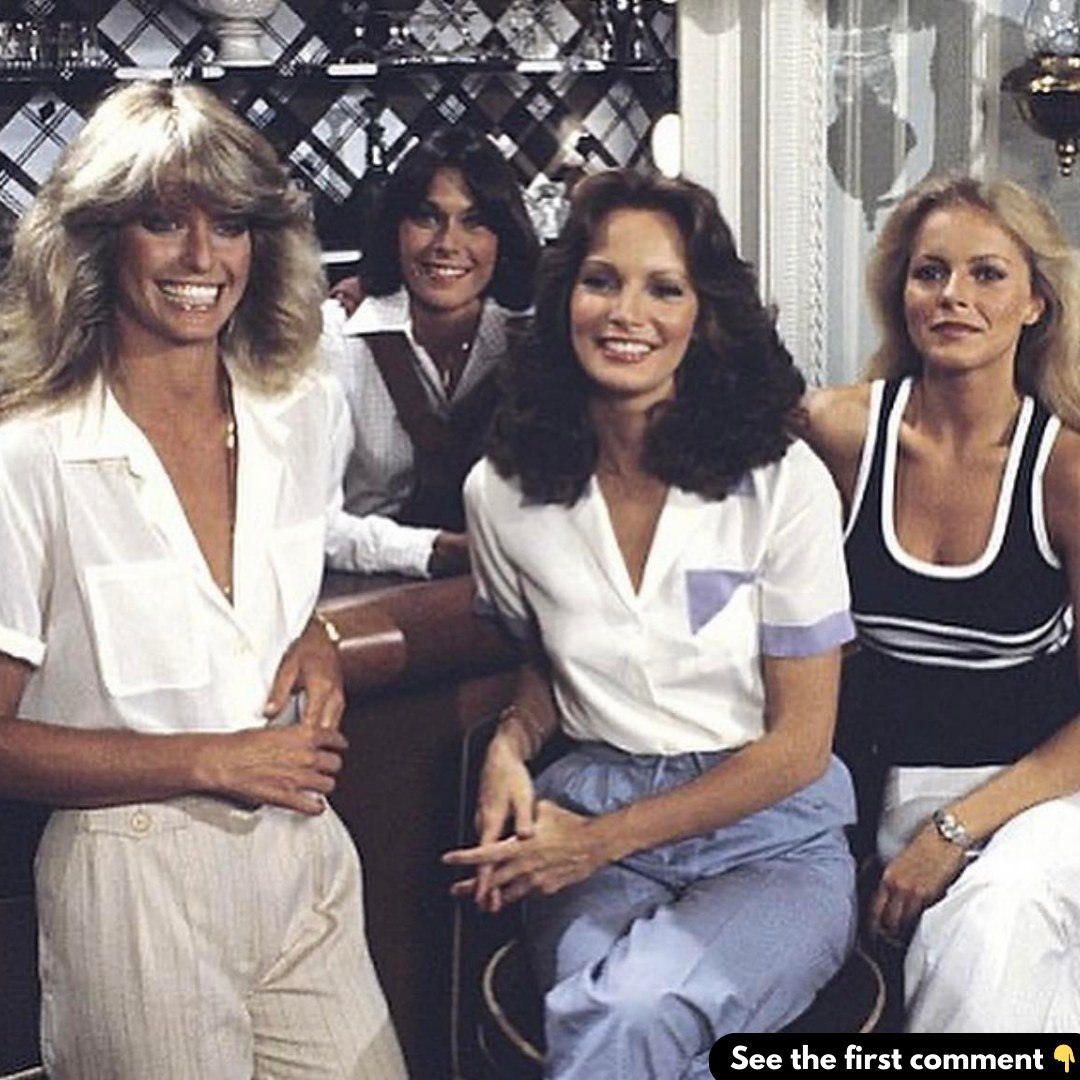
Kate Jackson’s character brought authority and a grounded intelligence that made the team feel credible. Jaclyn Smith’s Kelly Garrett became the emotional anchor and steady center. Farrah Fawcett’s presence carried a bright, charismatic energy that translated effortlessly to posters, magazine covers, and the broader pop culture machine.
In many ways, the show found its power by balancing two realities at once: it was a mainstream network series built to entertain, but it also nudged the boundaries of what women were allowed to be on prime-time television.
The “Jiggle TV” Label, and Why the Show Outlasted It
Charlie’s Angels’ (Season 1): 70s original is better than you remember | Drunk TV
But the ratings and cultural longevity complicated that dismissal. Viewers didn’t just tune in for fashion or glamour. They tuned in because the show delivered a reliable formula: mystery, pace, chemistry between the leads, and a weekly promise that the Angels would win.
It’s also worth noticing how the show’s critics unintentionally revealed a bias: many male-led action series were allowed to be escapist without being insulted for it. Charlie’s Angels wasn’t the only stylish show on TV—it was simply the one that centered women, which made it an easier target.
A Cast That Changed, and a Show That Refused to Collapse
One of the most unusual aspects of Charlie’s Angels is how directly its legacy is tied to cast turnover. Many series struggle when a breakout star leaves. In this case, change became part of the show’s identity.
Ladd’s arrival also demonstrated something important: audiences were willing to accept a new Angel as long as the show protected the core fantasy—teamwork, competence, and a sense of belonging to the same world. Kris Munroe didn’t feel like an imitation. She felt like a new rhythm.
Through all these changes, Jaclyn Smith’s Kelly Garrett remained the constant. That continuity mattered. In rotating ensembles, the audience often needs one stable figure to hold onto. Smith provided that—an emotional throughline that allowed the show to change faces without losing its center.
ADVERTISEMENT
