ADVERTISEMENT
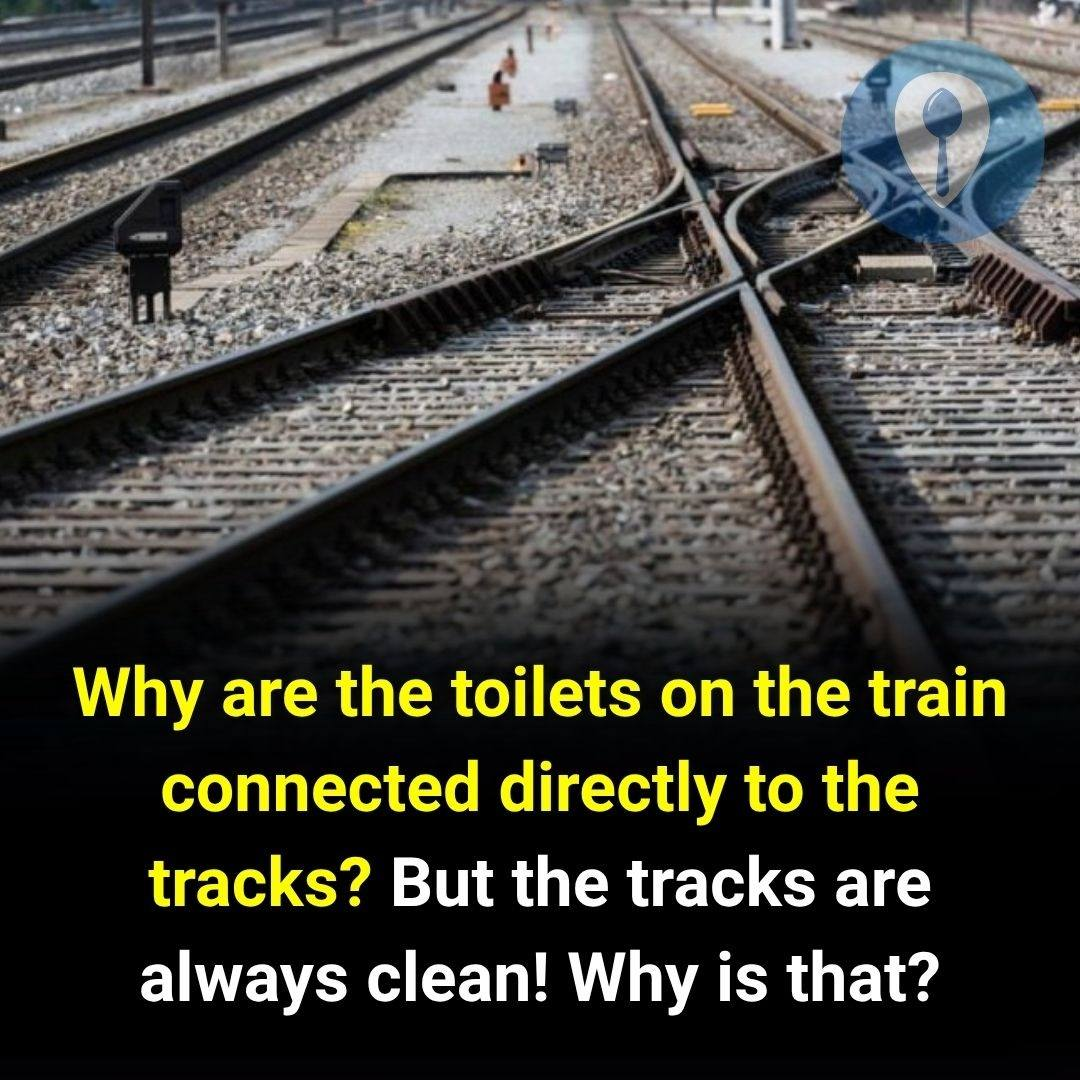
Why Are the Toilets on Trains Connected Directly to the Tracks?
If you’ve ever used a train toilet and had a sudden, uncomfortable realization about where everything goes, you’re not alone.
Why are train toilets connected directly to the tracks?
It sounds unhygienic.
It feels outdated.
And once you know, it’s hard to unknow.
Let’s break it down.
The Shocking Truth (Historically Speaking)
For much of railway history, many train toilets were exactly what people fear they were:
No tanks.
No pipes to storage systems.
No onboard treatment.
As uncomfortable as that sounds today, when these systems were introduced, they made a lot of sense.
Early trains:
Were slow
Made frequent stops
Didn’t prioritize onboard sanitation
But engineers faced a challenge:
How do you add toilets to a moving vehicle with no plumbing connections?
Why Gravity Was the Easiest Answer
Early railway designers worked with limited technology.
There were:
No compact waste tanks
No odor-control systems
No vacuum toilets
No environmental regulations
Gravity-based toilets required:
No pumps
No moving parts
Very little maintenance
Minimal added weight
Waste simply dropped onto the ballast (the gravel under the tracks), where it would be broken down by weather and time.
By the standards of the era, this was considered acceptable—and even hygienic compared to alternatives.
Why It Didn’t Seem Like a Problem Back Then
Several factors made direct discharge less controversial in the past:
ADVERTISEMENT
