ADVERTISEMENT
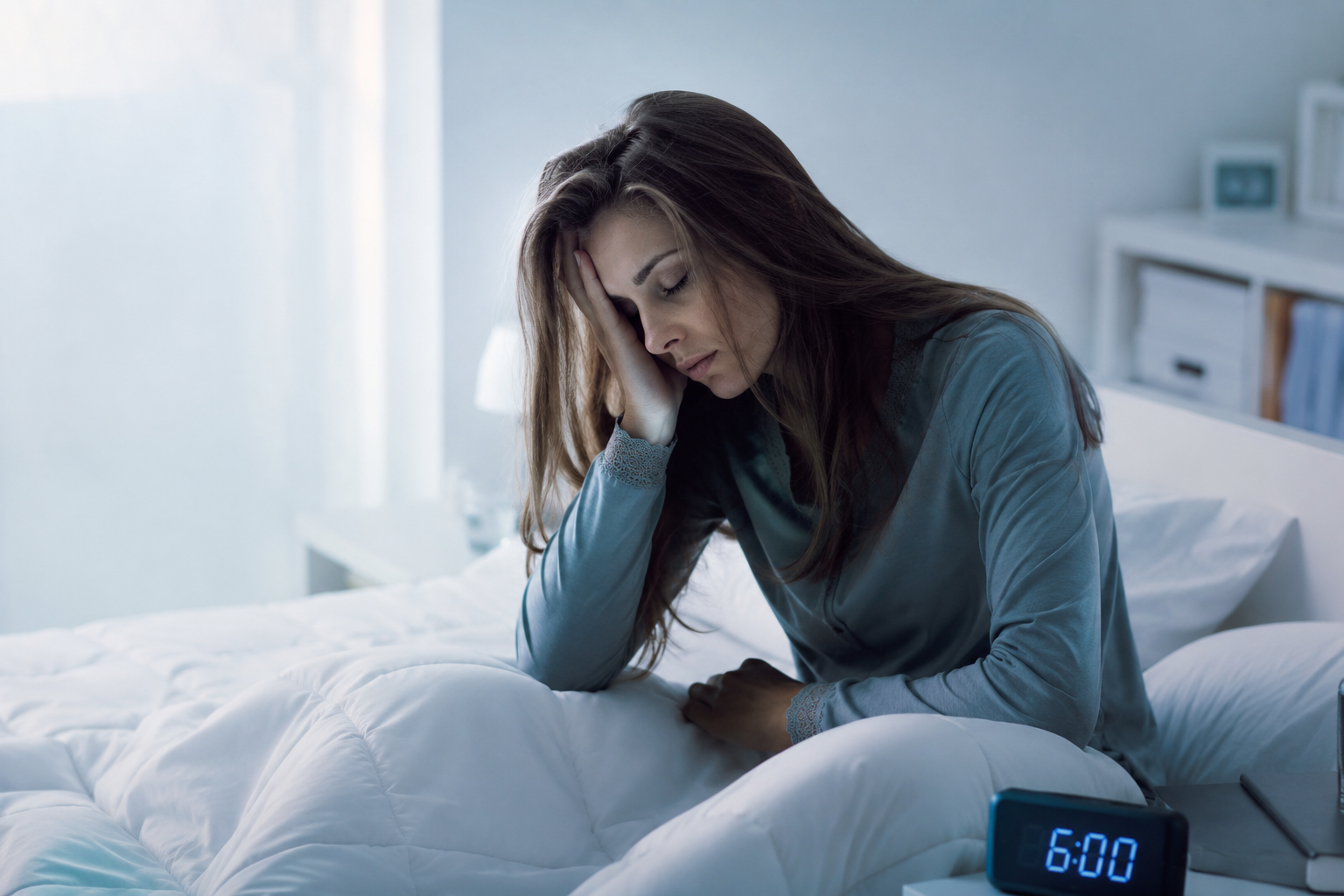
Every morning, millions of people wake up feeling exhausted. They drag themselves out of bed, reach for a cup of coffee, and hope the feeling disappears. Yet for many, the fatigue follows them throughout the day. What’s surprising is that a growing number of people report feeling tired even after getting what seems like enough sleep.
One of the biggest factors is the increasing amount of screen time before bed. Smartphones, tablets, televisions, and laptops have become a normal part of nightly routines. Many people scroll through social media, watch videos, or answer emails right before trying to sleep. Unfortunately, exposure to bright screens late at night can interfere with the body’s natural sleep cycle.
The human body relies on a hormone called melatonin to regulate sleep. When darkness arrives, melatonin levels naturally increase, helping the body prepare for rest. Bright light from screens may reduce melatonin production, making it harder to fall asleep and potentially affecting overall sleep quality.
ADVERTISEMENT
