ADVERTISEMENT
Choosing Fruit With a Little More Wisdom and a Little Less Guesswork
Few grocery store frustrations are as familiar as bringing home a piece of fruit that looked perfect on the shelf, only to discover it is bland, dry, or lacking the flavor you hoped for.
Still, learning to notice a few simple details can help you make more informed choices, reduce waste, and appreciate the quiet skill behind selecting good produce.
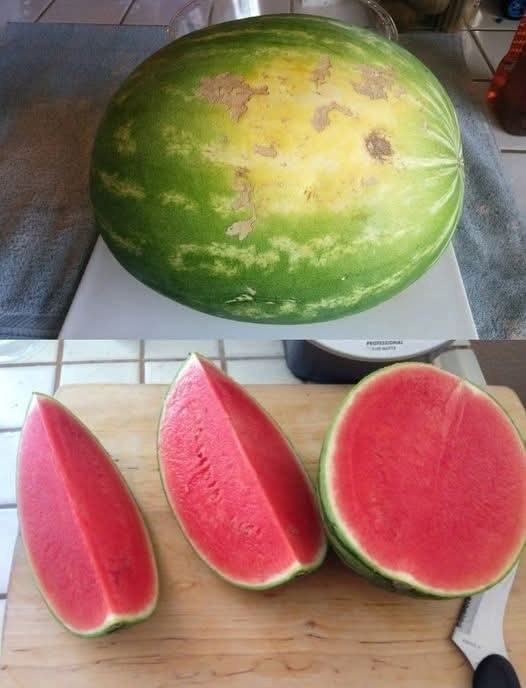
Watermelon asks for patience because most of what matters is hidden beneath the rind.
Another feature people often notice is the presence of rough brown web-like markings. While they may not look attractive, many growers and shoppers associate these marks with active pollination during the growing season. Though not a guarantee of sweetness, they are often viewed as a positive sign.
Shape is another clue some people consider. Rounder melons are sometimes believed to be sweeter, while longer ones are often thought to contain more water. Opinions differ, and nature rarely follows strict rules, but shape can serve as one piece of a larger picture.
Choosing Pineapple With Patience
ADVERTISEMENT
