ADVERTISEMENT
When Trusted Brands Make Controversial Changes
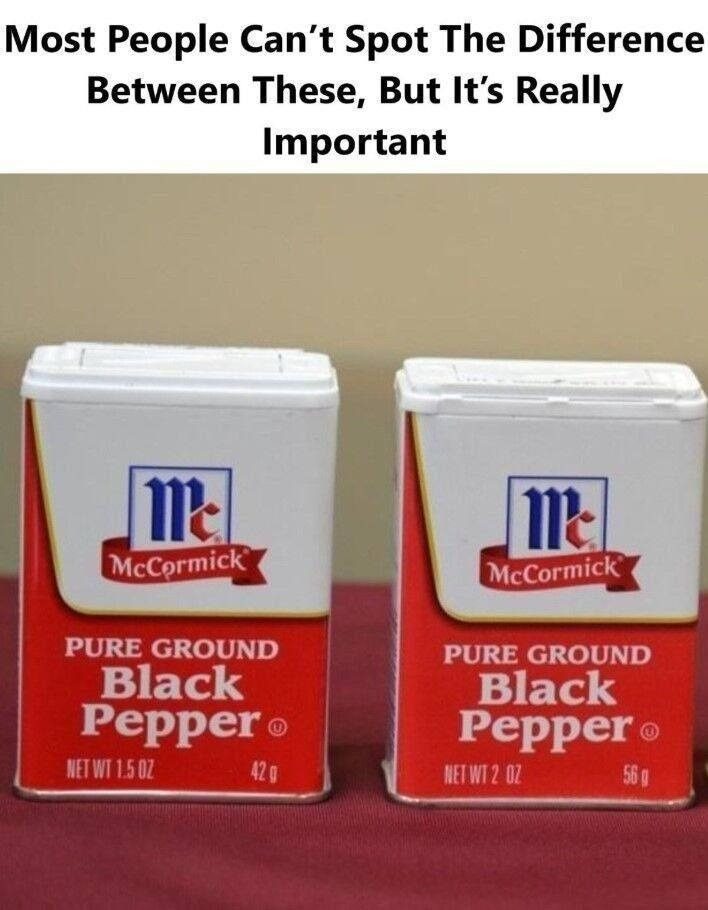
The spice industry recently provided a textbook example of how packaging changes can spark consumer backlash. McCormick & Company, a household name in American kitchens for over a century, found itself at the center of controversy after redesigning one of its pepper containers.
The situation escalated when competitor Watkins Incorporated raised concerns, and frustrated customers filed a class action lawsuit. The central complaint wasn’t that McCormick violated labeling laws—the net weight was printed on the package. Rather, consumers argued they felt misled by the disconnect between the package’s size and its actual contents.
The Shrinkflation Phenomenon
This McCormick situation exemplifies a broader trend called “shrinkflation”—when product quantities decrease while prices and packaging sizes stay the same or even increase. It’s happening across virtually every grocery category:
Chocolate bars that look identical but weigh less
Ice cream containers with higher bases that hold less product
Chip bags with more air and fewer chips
Toilet paper rolls with fewer sheets despite similar packaging
Manufacturers defend these changes as necessary responses to rising ingredient costs, supply chain challenges, and inflation. Rather than raise prices—which consumers notice immediately—companies quietly reduce quantities, betting that shoppers won’t catch on.
The Clear Container Advantage
Watkins, McCormick’s competitor in this dispute, takes a different approach. Their pepper comes in clear containers that let customers see exactly what they’re buying. This transparency eliminates the guessing game. When both products contain the same weight of pepper but one looks substantially larger, the visual comparison becomes problematic for the brand using opaque packaging.
What Package Labels Really Tell You
Most consumers assume that reading product labels means checking the price. But smart shoppers know to look deeper:
Net weight matters more than package size. A bulky container with thick walls and a tall cap might hold less than a smaller, efficiently designed package.
ADVERTISEMENT
