ADVERTISEMENT
“New look, same great taste” often signals a quantity reduction. When companies emphasize packaging changes in marketing, investigate what else might have changed.
When consumers feel deceived, even unintentionally, the consequences extend far beyond a single product. They begin questioning other items in the brand’s lineup. They share their experiences online, multiplying the negative impact. They switch to competitors, sometimes permanently.
The financial calculation that makes shrinkflation attractive in the short term—maintaining profit margins without obvious price increases—can backfire spectacularly when customers discover the change and feel manipulated.
Subscription services often send notifications before price changes, explaining the reasons and giving customers options.
Premium brands position themselves on quality rather than quantity, making price increases more acceptable because customers understand what they’re paying for.
Protecting Yourself as a Consumer
You don’t need to become a forensic shopper, but a few habits can help you avoid paying more for less:
Download shopping apps that track price and quantity changes over time. Several free options alert you when products change.
Support brands that prioritize transparency. Your purchasing power sends a message about what practices you’ll tolerate.
The Legal and Ethical Gray Area
Here’s where things get complicated: most shrinkflation isn’t technically illegal. Companies disclose the net weight as required by law. But legality and ethics don’t always align.
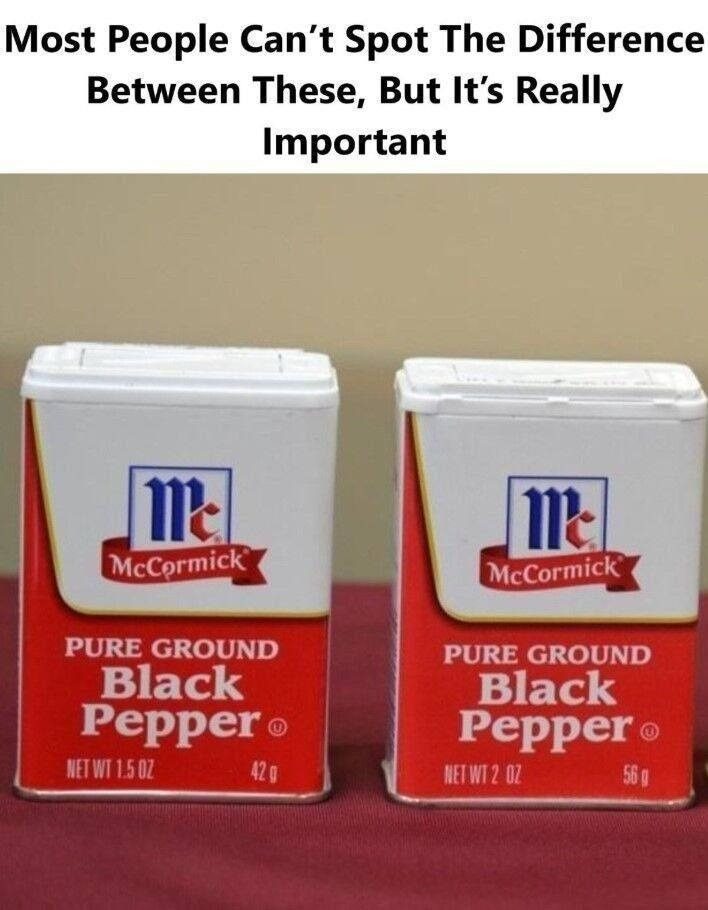
The McCormick case, currently in federal court, may help answer these questions. The outcome could influence how companies approach package redesigns going forward.
What Should Companies Do Differently?
Transparency doesn’t have to mean sacrificing profit. Companies facing cost pressures have alternatives to stealth quantity reductions:
ADVERTISEMENT
