ADVERTISEMENT
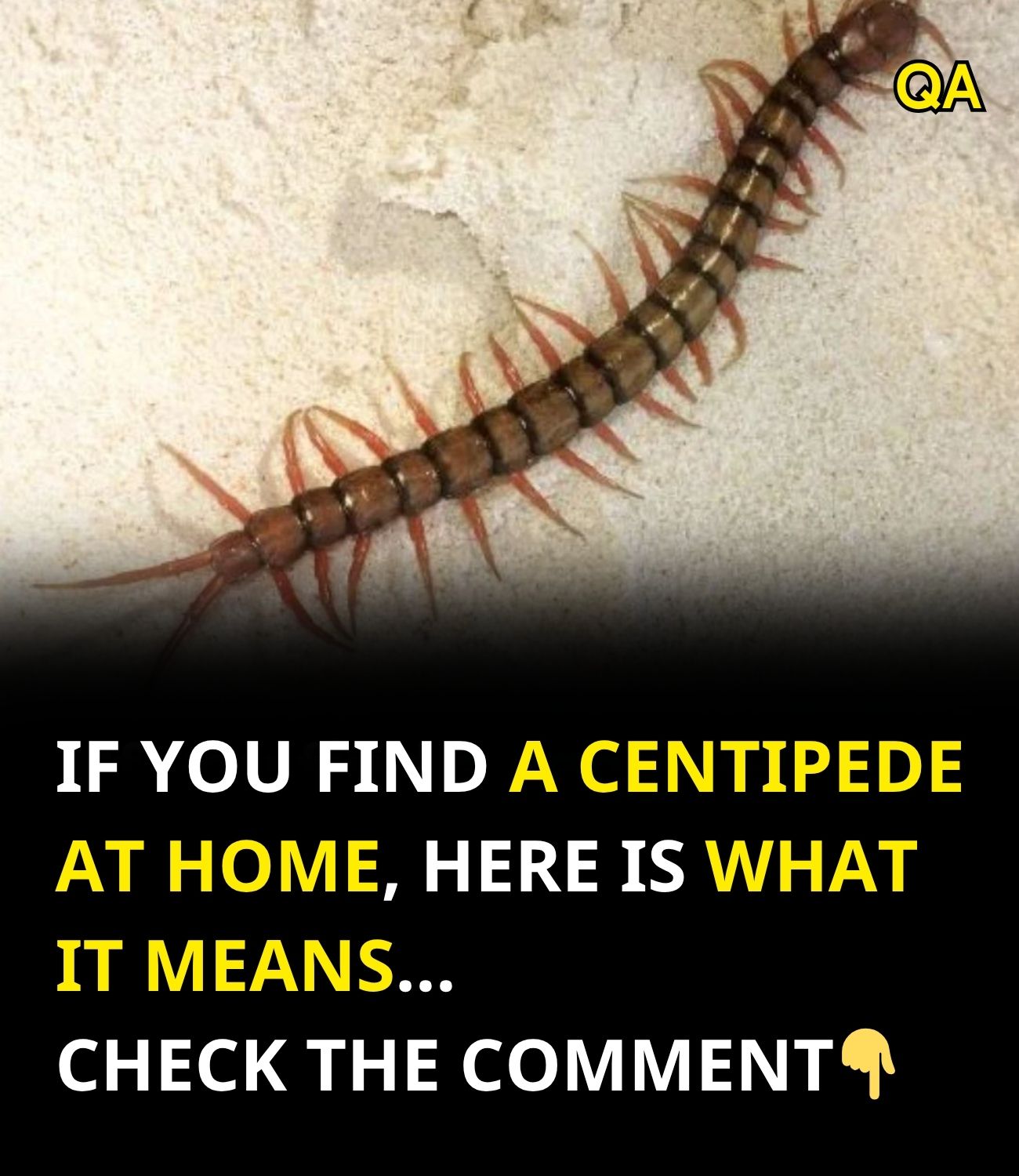
When a centipede takes up residence inside your home, it is because the hunting is good. Their presence indoors is one of the clearest early indicators that your home already has an underlying pest population — possibly one you have not yet noticed because the other insects are hiding effectively or are simply too small to catch your attention. The centipede noticed them, though.
There May Be a Moisture Problem in Your Home
If centipedes have one defining preference when it comes to habitat, it is moisture. These creatures require a consistently humid environment to survive, and they are drawn instinctively toward areas of your home where dampness is present. Their most common indoor hiding spots are predictable once you know this: basements, bathroom floor corners, the space under kitchen and bathroom sinks, crawl spaces, utility rooms, and areas near pipes that may have slow, undetected leaks.
Finding centipedes repeatedly in the same areas of your home is one of the early signs of a moisture problem that warrants investigation. Persistent dampness in walls, floors, or crawl spaces does more than attract centipedes — it creates the conditions for mold development, wood deterioration, and long-term structural damage that can be both costly and difficult to remediate.
They May Be Seeking Shelter from Outdoor Conditions
Not every indoor centipede sighting points to a serious problem. Sometimes, the explanation is much simpler: the weather outside has become inhospitable, and your home offers warmth and shelter.
Centipedes are sensitive to extreme temperature swings. During extended cold snaps, heat waves, or periods of heavy sustained rainfall, centipedes will migrate toward structures that offer more stable conditions. Your home is an attractive refuge precisely because it maintains a relatively consistent internal temperature year-round. If you notice a sudden uptick in centipede sightings during a particularly brutal week of summer heat or a stretch of winter cold, outdoor conditions are likely a contributing factor.
ADVERTISEMENT
