ADVERTISEMENT
Are Centipede Encounters Dangerous?
Why Are House Centipedes Lured Into My Home?
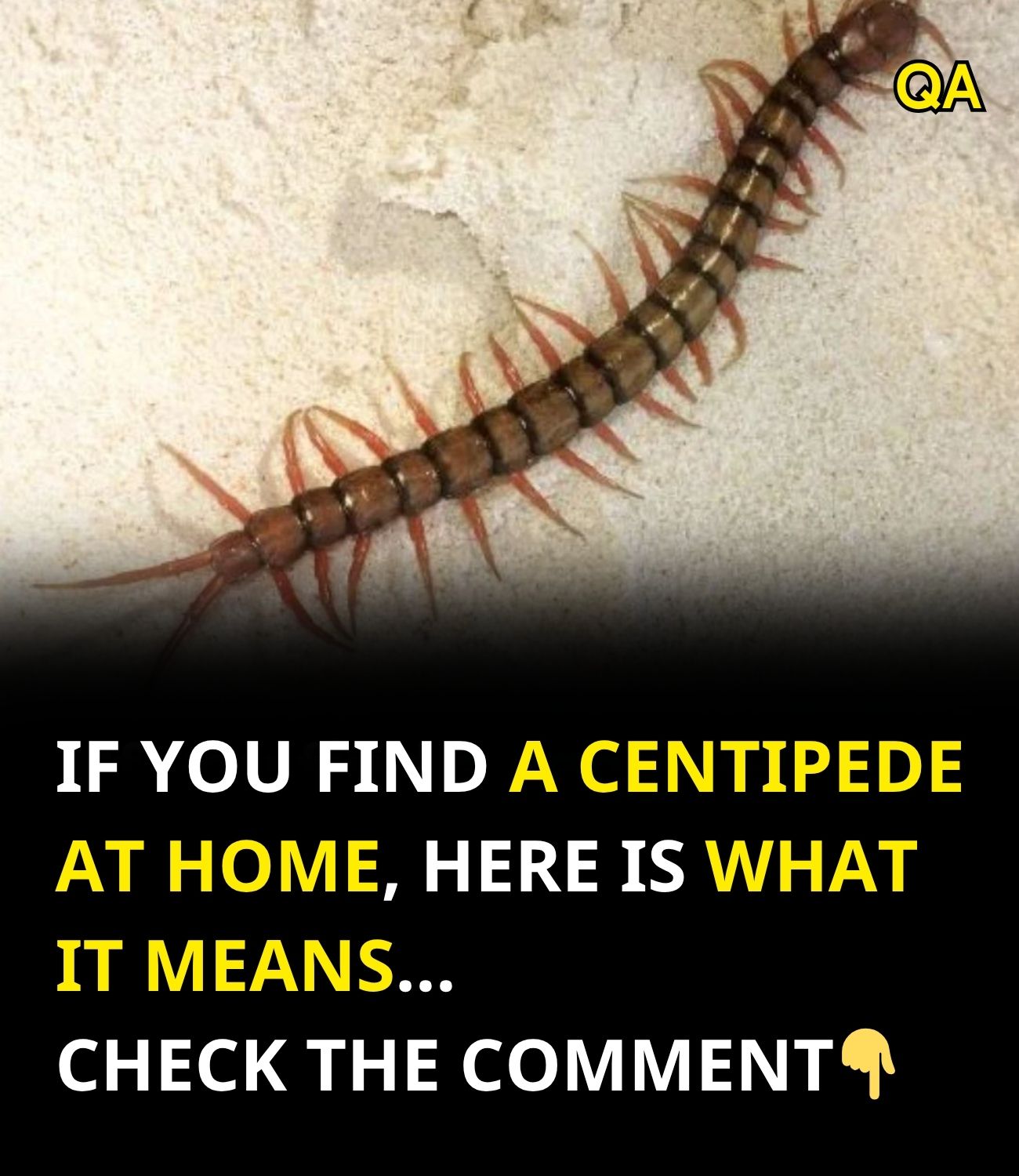
Unlike some household pests that spread bacteria or contaminate food supplies, centipedes do not transmit diseases to humans. They are not vectors of illness, they do not damage food stores, and they do not cause structural harm to buildings the way termites or carpenter ants can.
They are capable of delivering a bite through the small claw-like appendages near their head, which can introduce a mild venom. However, bites are genuinely uncommon. Centipedes are not aggressive toward humans — they strongly prefer to avoid contact and will typically flee from people rather than engage with them. Bites generally occur only when a centipede is accidentally pressed against skin, such as when someone reaches into a pile of stored clothing or rolls onto one while sleeping.
Serious complications are uncommon and are generally limited to individuals who have a sensitivity or allergic response to insect venom. In these cases, reactions can be more pronounced — significant swelling, intense localized pain, or in rare situations, a more widespread response. Anyone who experiences difficulty breathing, extensive swelling beyond the immediate area, dizziness, or a rapid heartbeat following a centipede encounter should seek medical attention promptly.
For healthy adults without known venom sensitivities, a centipede encounter is more of a fright than a genuine health concern. For young children or pets, it is wise to exercise caution, as their smaller body size means a reaction could be proportionally more noticeable — but serious outcomes remain rare.
Reduce Moisture Throughout Your Home
Since humidity is the primary environmental factor that makes your home attractive to centipedes, reducing dampness is the single most impactful step you can take. Inspect all plumbing under sinks and in utility areas for slow leaks, even minor ones. Install a dehumidifier in basement or crawl space areas where moisture accumulates. Ensure that bathroom exhaust fans are functioning properly and being used during and after showers. Check that dryer venting leads fully outside rather than into a wall cavity or crawl space.
ADVERTISEMENT
