ADVERTISEMENT
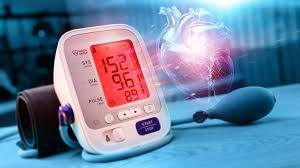
You won’t have a single appointment with your doctor without them taking the time to measure your blood pressure. But do you know exactly what the two numbers displayed on their device mean? And in particular, the second one, the diastolic pressure? What are the causes of high or low diastolic pressure? What are the symptoms and how can you normalize this blood pressure? Furthermore, what constitutes normal diastolic pressure? Professor Alain Furber, cardiologist and president of the French Federation of Cardiology (FFC), explains.
“The first phase of the cardiac cycle is when the heart contracts and blood is ejected; this is called systole,” explains Professor Furber. “This is the first number that appears on the blood pressure monitor.”
“In the second phase, the heart relaxes; this is diastole, the second number. This phase corresponds to the filling of the heart chambers with blood.”
ADVERTISEMENT
