ADVERTISEMENT
Immune and Respiratory Support: Where the Claims Need Caution
You’ll often see claims that cloves “boost immunity” or “fight infections.” Some clove components show antimicrobial activity in research settings, which means they can inhibit certain microbes under controlled conditions.
For immune health, the most reliable strategies remain:
Sleep consistency
Regular physical activity
Vaccination where appropriate
Addressing chronic conditions with proper care
Concentrated oils can irritate skin, trigger allergic reactions, or cause discomfort if used incorrectly. If you’re interested in skin care benefits, the safest approach is to use properly formulated products and discontinue anything that causes burning, redness, or irritation. Avoid applying strong substances to sensitive or broken skin.
The Safest Way to Use Cloves: Food First
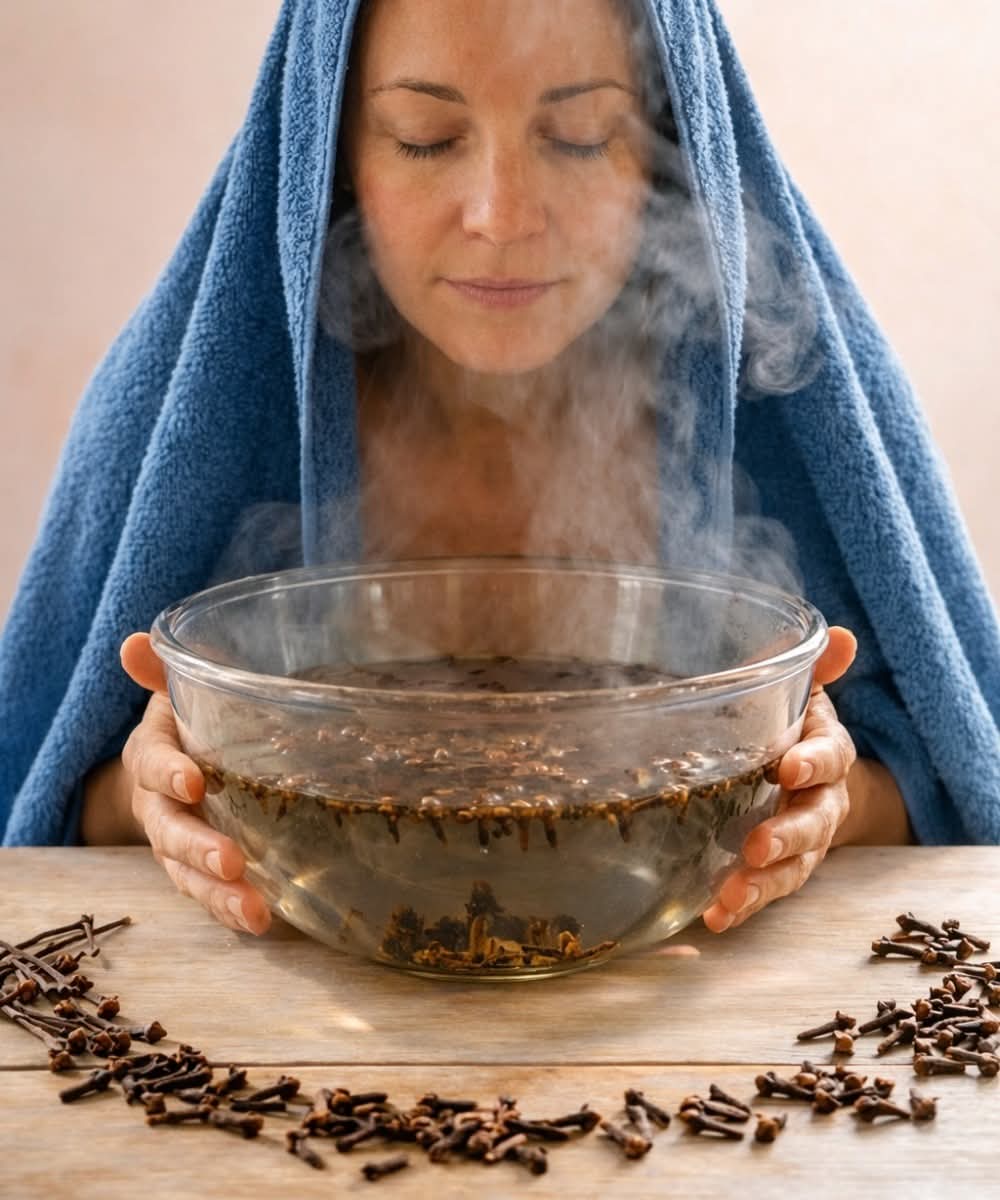
Clove Tea Benefits: Proven Uses & Safety Tips
For most people, the safest and most practical way to benefit from cloves is to use them as a culinary spice:
Use whole cloves in soups, stews, or rice for aroma, then remove them before eating
Pair cloves with cinnamon or ginger for flavor in warm foods
Important Safety Notes
This section is essential because many internet posts blur the difference between cloves as food and clove essential oil.
Concentrated products (supplements, extracts, essential oil) are much stronger and can create safety concerns if misused.
Who should be cautious
ADVERTISEMENT
