ADVERTISEMENT
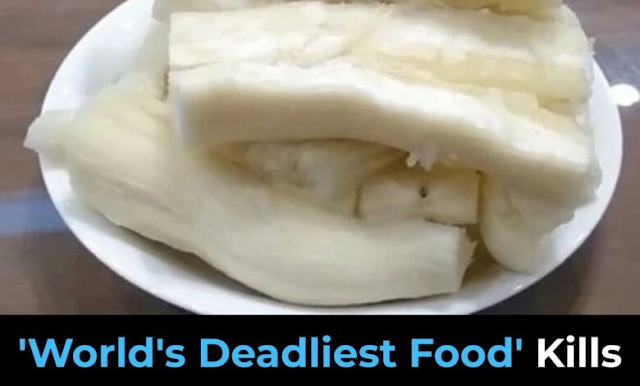
The mechanisms of poisoning are particularly ruthless, especially in regions plagued by poverty, famine, or conflict. When food insecurity reaches a breaking point, the meticulous, time-consuming preparation required to make cassava safe is often bypassed. The WHO notes that when these cyanogenic glucosides are not processed correctly, they create a high dietary exposure to cyanide. In extreme scenarios, such as in areas of Venezuela or sub-Saharan Africa, people have been forced to rely on improperly processed cassava just to stave off immediate starvation. The cost of this reliance is often paid in catastrophic health crises.
One of the most horrific consequences of cyanide exposure through cassava is a condition known as konzo. This is a debilitating, permanent form of paralysis, usually localized in the legs, that occurs when victims consume bitter cassava—which has a higher cyanide content—without adequate preparation, particularly when their overall diet is deficient in protein. Because protein is essential for the body to detoxify the cyanide effectively, the lack of a balanced diet acts as a force multiplier for the toxin. The condition often flares up in spontaneous, localized epidemics, shattering the mobility of children and adults alike and leaving them with irreversible disabilities that define their futures.
The danger of cassava is a stark reminder of the hidden complexities in our food supply. We often take for granted that the items we buy at the grocery store are inherently “safe,” but the story of cassava proves that safety is often the result of rigorous, traditional labor. When social structures break down, when poverty prevents proper food preparation, or when the pressure of famine forces desperate measures, that safety evaporates. The stories coming out of regions experiencing food scarcity, such as the crises reported in parts of Venezuela, underscore that hunger can make the unthinkable appear to be the only option.
ADVERTISEMENT
