ADVERTISEMENT
Several popular beliefs about swelling and fluid retention deserve gentle correction. So-called detox teas that claim to flush water weight offer only temporary effects at best, and some carry real risks with regular use. Apple cider vinegar, despite its widespread promotion as a fluid-balancing remedy, lacks solid scientific support for this specific claim. Swelling is not a condition exclusive to older adults — it is common among young adults, frequent travelers, and pregnant individuals as well. And taking higher doses of vitamins in hopes of faster results is a genuinely dangerous misconception; excess amounts of certain nutrients can place additional strain on the kidneys and liver.
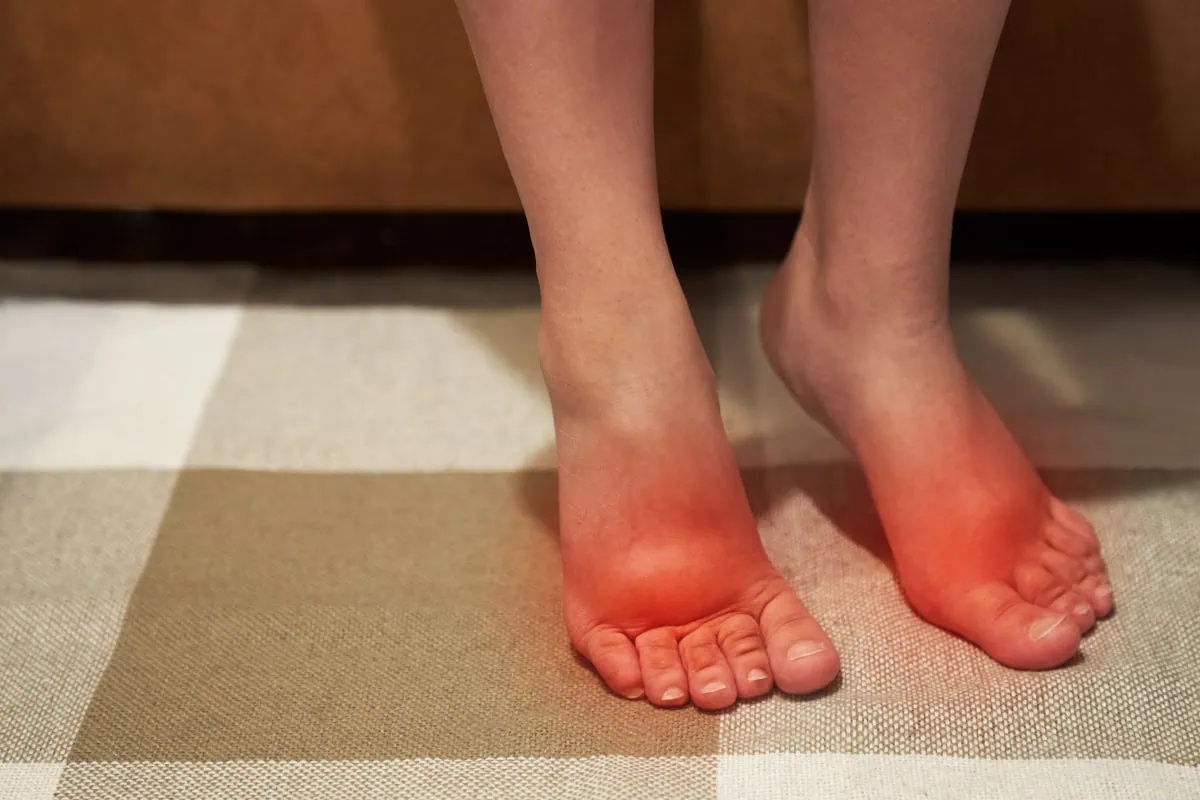
While most mild swelling responds well to nutritional and lifestyle changes, certain symptoms call for professional evaluation without delay. One leg that is noticeably larger than the other, redness, warmth, or pain in a swollen limb, sudden difficulty breathing, swelling that leaves a lasting indentation when pressed, and swelling in anyone with a known heart, kidney, or liver condition are all situations that warrant a doctor’s assessment. A simple ultrasound examination or blood test can quickly rule out more urgent underlying causes.
You do not have to accept heavy, uncomfortable legs as a permanent feature of daily life. Real, sustainable relief comes not from quick-fix promises but from consistently nourishing the systems that keep your body in balance. When those systems are properly supported, your steps become lighter — and you move through your days with more ease and energy than you might have thought possible.
This article is intended for general informational purposes only and does not constitute medical advice. Always consult a qualified healthcare professional before making changes to your diet, supplement regimen, or health routine.
ADVERTISEMENT
