ADVERTISEMENT
A pulsing or “whooshing” sound
In one ear or both ears
Inside the head rather than the ears
Loud or barely noticeable
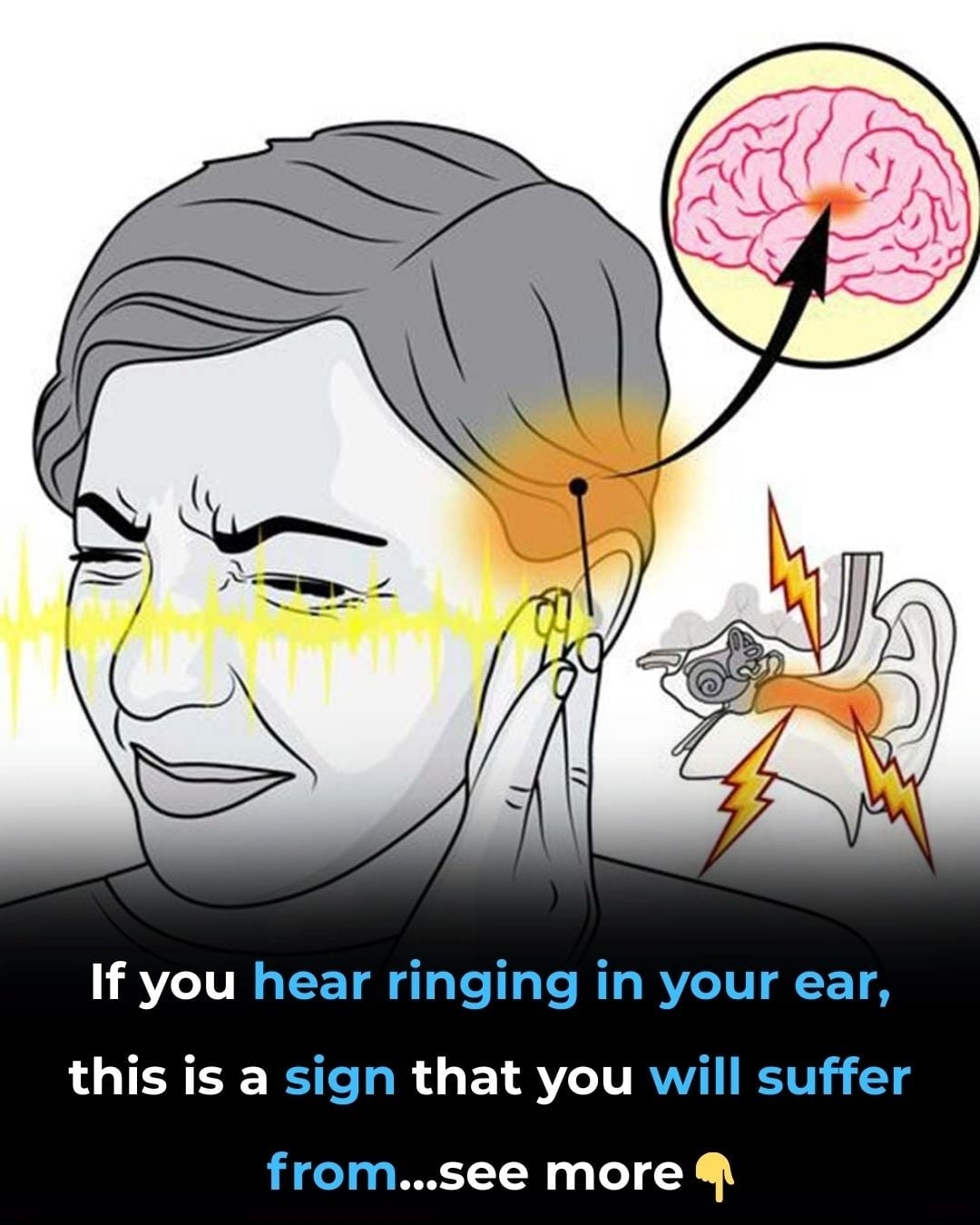
Tinnitus itself is not a disease.
It is a symptom, similar to pain or dizziness—something that tells you the auditory system is reacting to a change.
The reason lies in how the brain processes sound.
At night, when silence takes over, the brain has fewer signals to focus on. The auditory system may “turn up the volume” internally, making tinnitus feel stronger.
That’s why many people notice tinnitus most clearly:
Before sleep
During periods of stress or fatigue
The Most Common Causes of Tinnitus
1. Noise Exposure (Most Common Cause)
Repeated exposure to loud sounds is the leading cause of tinnitus.
Loud music or concerts
Power tools or machinery
Motorcycles or heavy traffic noise
Even if hearing damage is mild or gradual, the inner ear can become irritated, triggering tinnitus.
Important note:
You don’t need extreme noise exposure for tinnitus to develop. Long-term moderate exposure is enough.
2. Hearing Changes or Hearing Loss
Tinnitus and hearing changes often appear together.
As hearing sensitivity decreases, the brain receives less information from certain sound frequencies. To compensate, the brain increases internal neural activity—sometimes perceived as tinnitus.
This is why tinnitus is more common:
With aging
After years of noise exposure
In people with mild hearing loss they may not yet notice
3. Earwax Blockage
This is one of the simplest and most treatable causes.
When earwax builds up, it can:
ADVERTISEMENT
