ADVERTISEMENT
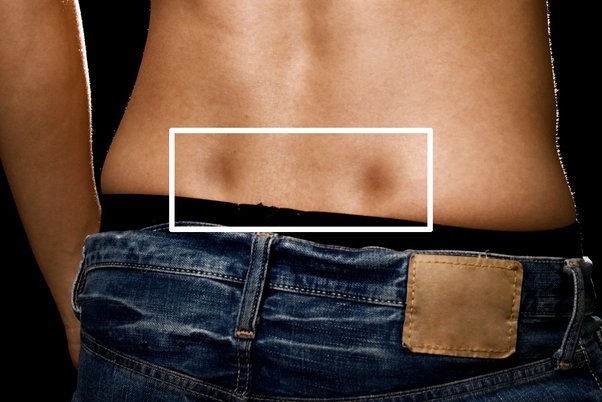
Myth: Venus dimples increase sexual pleasure.
→ There is no medical evidence linking Venus dimples to sexual function or enhanced sensation. Sexual response is influenced by a range of factors including neurological, psychological, and physical components, none of which are anatomically tied to dimples in the lower back.
Myth: They are a sign of a healthy weight.
→ While people with visible dimples may have lower body fat, their presence alone is not a marker of health or fitness. It simply means that the area is more defined due to bone structure.
Myth: You can develop them through exercise.
→ You cannot create Venus dimples if they are not already part of your skeletal structure. However, toning the surrounding muscles (like the gluteus medius and lower back muscles) may enhance the appearance of your lower back.
Are There Medical Conditions Associated With These Dimples?
In rare cases, indentations in the lower back can be confused with sacral dimples, which are different from Venus dimples. Sacral dimples are typically present at birth and may indicate spinal abnormalities, especially if accompanied by other symptoms like skin discoloration or hair growth at the base of the spine.
Source: Cleveland Clinic – Sacral Dimple
What You Need to Know About Back Dimples – FFR Health Group
While often admired for their aesthetic appeal, it’s important to view these features with a scientifically accurate and body-positive perspective. Whether you have them or not, they are simply one of many physical characteristics that make each body unique.
In a world of fitness myths and viral wellness trends, understanding the factual basis behind body features like Venus dimples helps promote a more accurate and respectful conversation around health, beauty, and anatomy.
ADVERTISEMENT
