ADVERTISEMENT
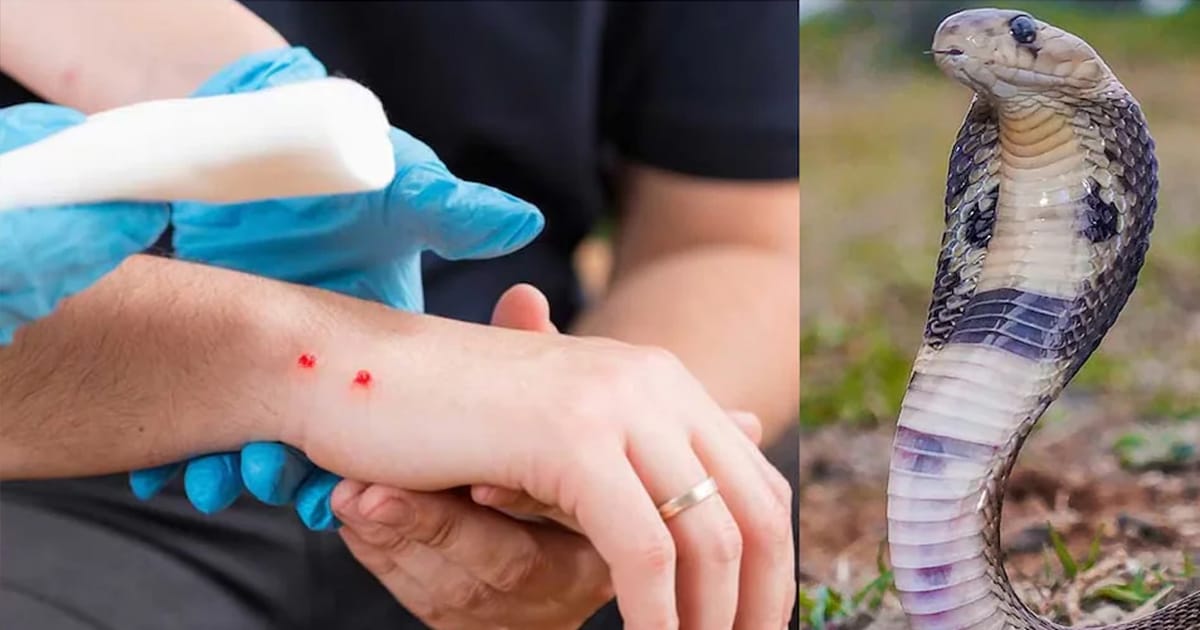
Every year, between 7,000 and 8,000 people in the United States are bitten by venomous snakes. Only about five of them die, though the number would likely be higher if medical treatment weren’t sought immediately.
Fortunately, only15% of snakes worldwide, and around 20% in the U.S., are venomous. These include the infamous rattlesnake, coral snake, cottonmouth (aka water moccasin), and copperhead — snakes whose bites can be pretty nasty. Venomous snakes in North America usually have slitted eyes, a triangular head, and fangs (think pit vipers). The coral snake is the odd one out with its cigar-shaped head and round pupils.
Being bitten by a snake is a frightening experience, particularly in remote areas. The actions you take immediately after the bite can greatly influence your survival. Here’s a quick guide to help you stay calm and increase your chances of recovery.
Your top priority is getting away from the snake — do not attempt to capture or kill it. This could waste precious time and risk another bite. Stay calm; panic only speeds up your heart rate and helps spread venom faster.
Move Away : Get out of the snake’s striking range immediately.
: Focus on controlling your breathing and staying still. Remove Tight Clothing & Jewelry: If the bitten area starts to swell, remove anything that could constrict the area.
If possible, snap a photo from a safe distance.
ADVERTISEMENT
