ADVERTISEMENT
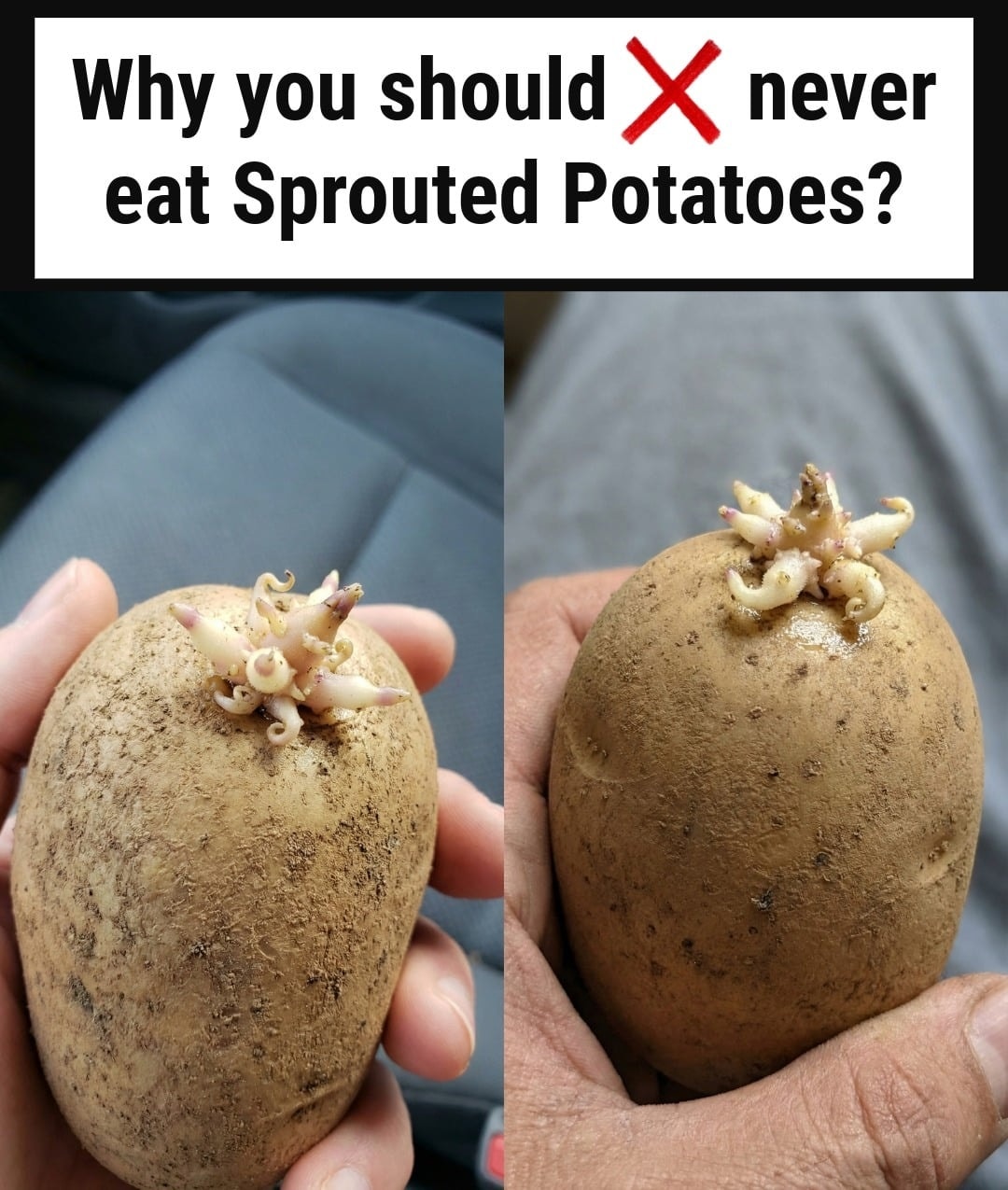
When potatoes sprout, they begin to produce higher levels of compounds called glycoalkaloids, primarily solanine and chaconine. These substances are naturally occurring toxins that help protect the plant from pests. In small amounts, they’re unlikely to cause serious harm. In larger quantities, they can lead to unpleasant symptoms.
Nausea
Stomach discomfort or cramps
Dizziness
In extreme cases—usually involving very high exposure—more serious reactions have been reported, though these are rare.
Not necessarily.
Here’s how to assess a sprouted potato more carefully:
Color Is a Warning Signal
If the potato skin has turned green—especially around the sprouts—that’s a stronger indicator of glycoalkaloid buildup. Green coloration means increased solanine, and those potatoes are best avoided.
Smell and Taste Count
A bitter smell or taste is another red flag. Glycoalkaloids have a distinctly bitter flavor, and that bitterness is your body’s way of saying “don’t eat this.”
If the potato is:
Firm
Free from extensive green coloring
However, this approach only works when sprouting is minimal. Potatoes with long, thick sprouts and widespread green patches are not worth the risk.
Does Cooking Make Sprouted Potatoes Safe?
Image
Cooking helps, but it doesn’t solve everything.
High heat can reduce some glycoalkaloid content, but it does not eliminate it entirely. Frying and baking are more effective than boiling, yet none of these methods make a heavily sprouted or green potato safe.
If the potato already shows strong warning signs, cooking will not reliably neutralize the toxins.
Who Should Be Extra Careful
Certain people may be more sensitive to glycoalkaloids, including:
ADVERTISEMENT
