ADVERTISEMENT
Adults who received six or more gabapentin prescriptions were found to be 29% more likely to receive a dementia diagnosis within a 10-year period. More notably, they were 85% more likely to develop mild cognitive impairment (MCI) — a condition characterized by noticeable but not yet severe changes in memory and thinking that can often be an early indicator of dementia.
Younger Adults Face Surprisingly High Risks
One of the most unexpected findings of the study was that the elevated risk was not limited to older adults — the age group most commonly associated with dementia. In fact, the data suggested that middle-aged adults may face some of the most dramatic increases in cognitive risk.
Among adults between the ages of 35 and 49 who were taking gabapentin, the risk of developing dementia was more than double that of their peers who weren’t taking the medication. Even more striking, their risk of developing mild cognitive impairment was found to be more than three times higher.
This finding challenges the common assumption that cognitive decline is primarily a concern for people in their 70s and beyond. The data suggests that if a link between gabapentin and cognitive health does exist, it may be most relevant for working-age adults who take the medication over long periods.
The More Prescriptions, the Higher the Risk
Dementia: Prolonged gabapentin use for pain may heighten risk
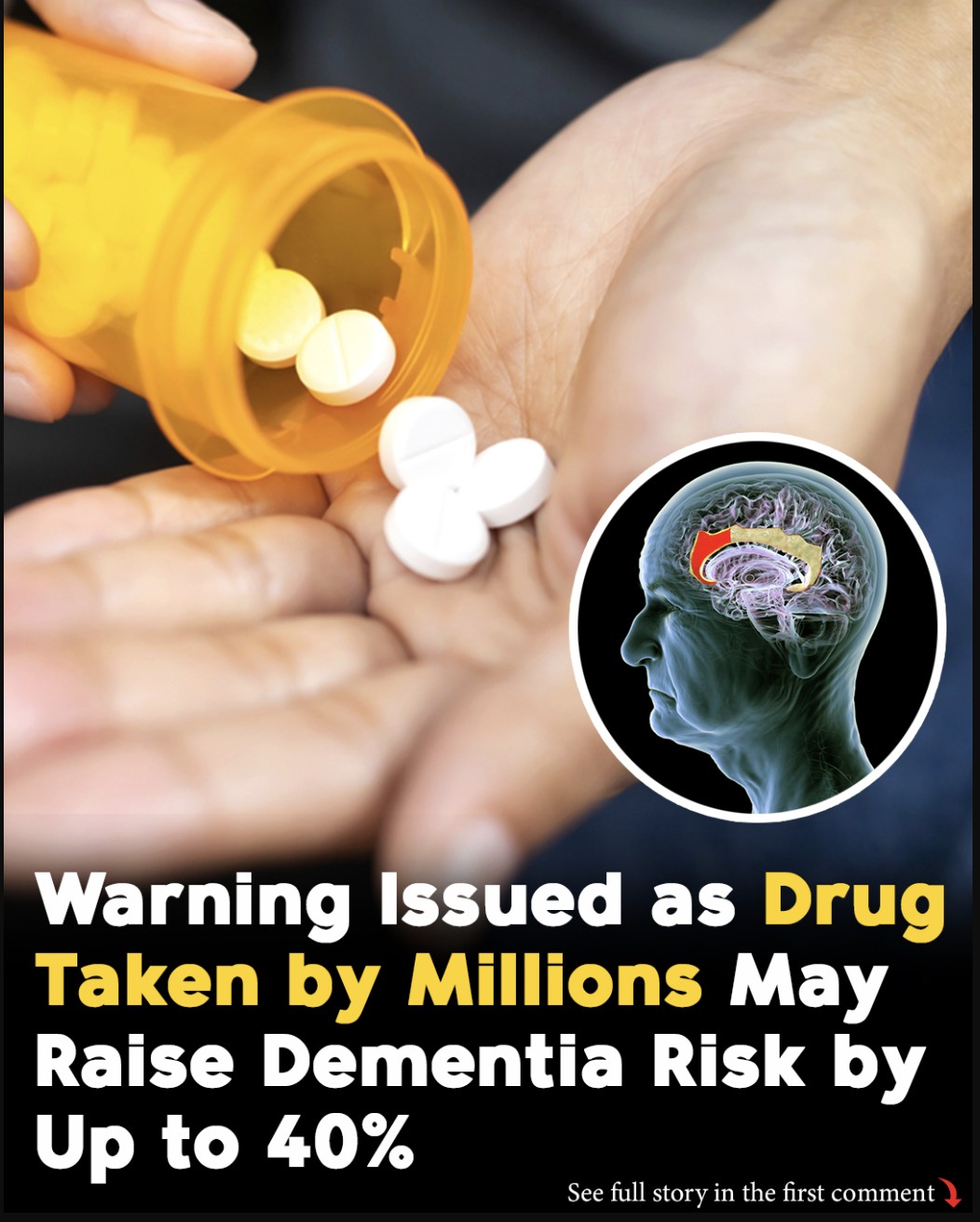
Among participants who received 12 or more prescriptions, the risk of developing dementia rose to 40% higher than the comparison group, while the risk of mild cognitive impairment climbed to 65% higher. These elevated risks persisted even after researchers accounted for other variables including existing health conditions, demographic differences, and other medications the participants may have been taking.
ADVERTISEMENT
