ADVERTISEMENT
To understand why this particular moment has produced such an intense and coordinated response from organized criminal networks, it helps to understand the political and institutional context that President Arévalo inherited when he took office and the specific policy direction he had signaled in the months leading up to this week.
The United States, meanwhile, signaled its own concerns about the previous government’s conduct by imposing a travel ban on Arévalo’s predecessor, Alejandro Giammattei, in 2024, citing accusations that the former president had accepted bribes. The designation reflected long-standing American concerns about corruption within Guatemalan institutions and the degree to which criminal financial interests had penetrated the highest levels of government.
Arévalo has stated publicly that he intends to work with the Federal Bureau of Investigation and other United States agencies to tackle the criminal organizations that, in his assessment, effectively run the nation’s prison system and have used that operational base to extend their reach and influence throughout the country. Late last year, he called specifically for a comprehensive overhaul of the prison system, identifying it as a central node of criminal power that had been allowed to function without meaningful accountability for far too long, sustained by pervasive corruption and bribery among those charged with administering and overseeing it.
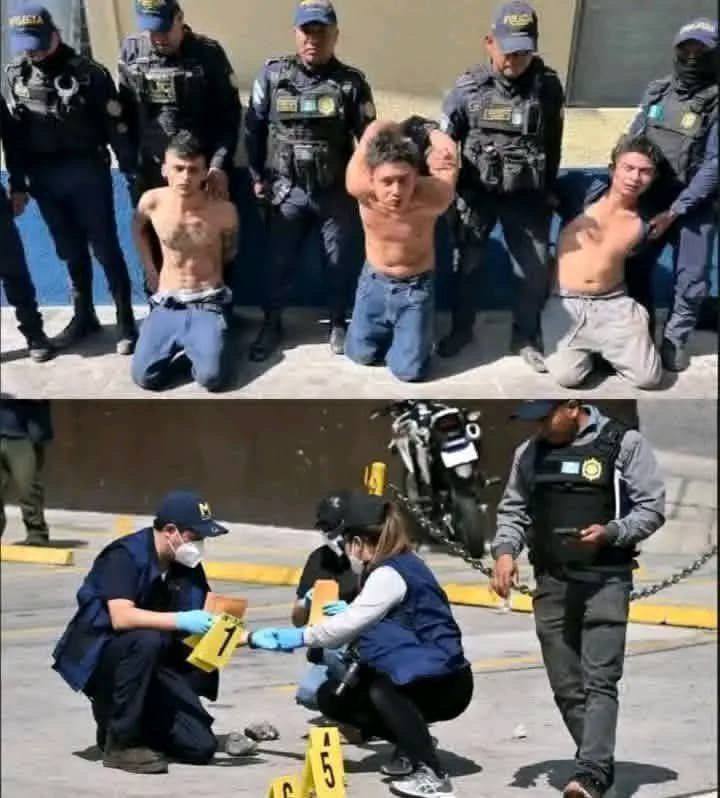
President Arévalo addressed this dynamic directly at his news conference, describing the prison uprisings as an attempt by criminal organizations to coerce the state into accepting their demands, demands that he noted had been granted by successive governments for decades. The subsequent attacks on police officers, he said, were designed to terrorize security forces and the broader population with the goal of pressuring his government to step back from its confrontational posture toward the criminal networks.
ADVERTISEMENT
