ADVERTISEMENT
The Power of Emotional Images: Why “Sad News” Posts Spread So Quickly
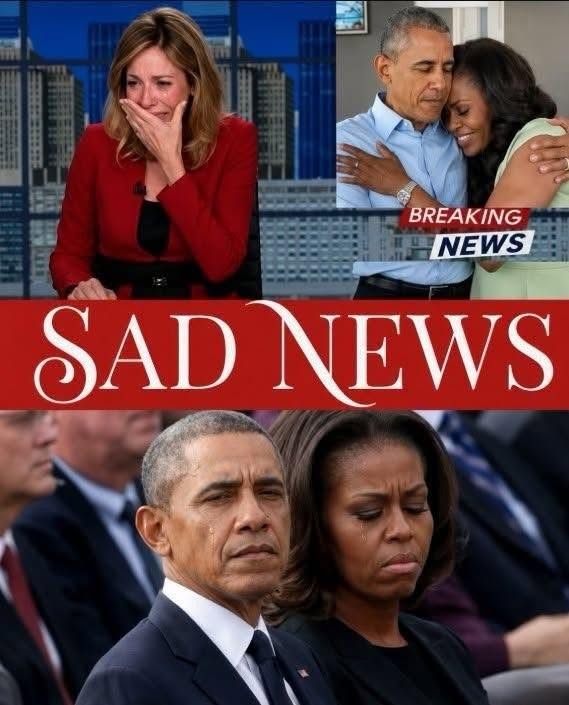
The image above is a perfect example. It combines emotional photographs, a television news anchor appearing distressed, the words “Breaking News,” and “Sad News,” along with well-known public figures. Without providing any evidence, source, or explanation, the image encourages viewers to assume that something tragic has happened.
Whether the implied event is real or not, this type of image demonstrates how emotional content influences our thinking, our behavior, and the way information spreads across social media.
Questions immediately come to mind:
What happened?
Is someone hurt?
Is this breaking news?
Content creators understand this psychological response.
That is why many online posts combine emotional photographs with dramatic text such as:
Breaking News
Very Sad
Heartbreaking
We Lost Him
Tragic Announcement
Rest in Peace
ADVERTISEMENT
