ADVERTISEMENT
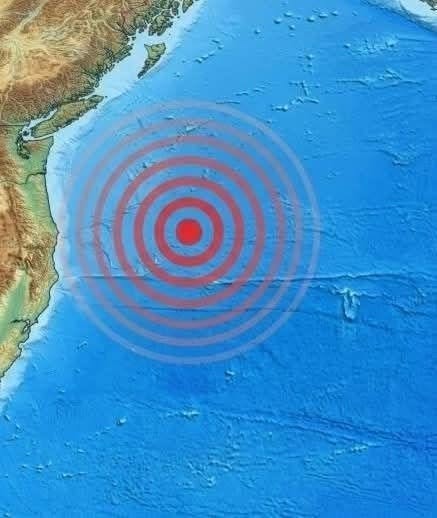
A Shallow M5.8 Earthquake Offshore Oregon: Context, Science, and the Cascadia Subduction Zone
A magnitude 5.8 earthquake occurring offshore of the U.S. West Coast—specifically in the marine region near Oregon—is not unusual in a tectonically active environment, but it always draws attention because of where it happens: the boundary between the Pacific Ocean floor and the North American Plate.
To understand why this kind of event matters, it is necessary to zoom out from a single earthquake and look at the immense geological system that produces it: the Cascadia subduction zone, one of the most closely studied—and potentially most hazardous—fault systems on Earth.
1. What Happened in This Earthquake
ADVERTISEMENT
