ADVERTISEMENT
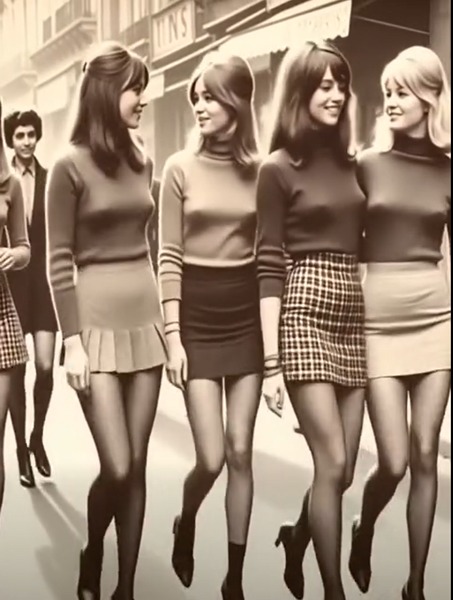
At first glance, the photograph appears almost ordinary—softly nostalgic, calm, and familiar. It could easily be mistaken for a quiet moment captured in any decade. But when the eye lingers just a little longer, subtle details begin to surface. The fabric drapes differently. The silhouette refuses rigidity. The confidence feels unrestrained. Suddenly, the image reveals its true identity: the unmistakable spirit of the 1970s.
Fashion as a response to social change
Image
The 1970s emerged from a period of intense cultural and political upheaval. The late 1960s had brought civil rights movements, women’s liberation, antiwar protests, and widespread challenges to traditional authority. These shifts did not fade quietly—they carried forward and reshaped everyday life, including the way people dressed.
The guiding idea of the decade was simple but powerful: style should serve people, not confine them.
A new sense of freedom for women
For many women, this shift felt transformative. Fashion no longer demanded conformity to narrow ideals of femininity. Instead of rigid silhouettes and restrictive tailoring, designers embraced movement and fluidity.
Fashion became less about external approval and more about authenticity. A woman’s wardrobe no longer needed to signal obedience to social expectations. It could reflect independence, creativity, and self-definition.
ADVERTISEMENT
