ADVERTISEMENT

Myth vs Fact: Aneurysm — What People Get Wrong (and the Science Behind It)

ADVERTISEMENT

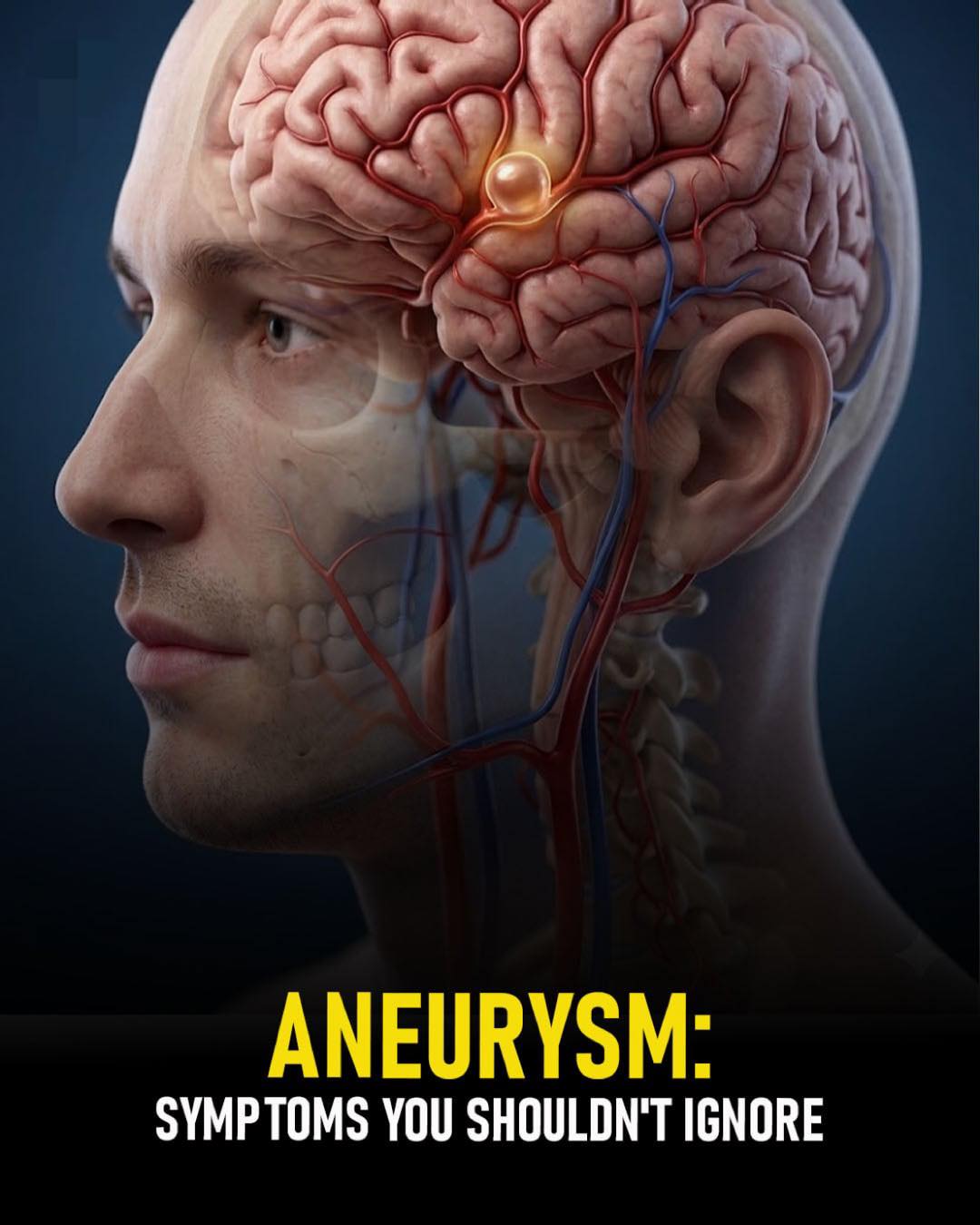
Aneurysms—often described as a bulging or ballooning in the wall of a blood vessel—are widely misunderstood. Because many remain silent until something goes wrong, myths spread easily. Below, we break down common misconceptions and explain the science behind what actually happens in the body.

Myth 1: “Only older adults get aneurysms.”

Fact: Aneurysms can occur at any age.

The science:

Age increases risk because blood vessel walls gradually lose elasticity and accumulate damage. However, aneurysms can also develop earlier due to genetic predisposition, connective tissue disorders (e.g., Ehlers–Danlos syndrome), or congenital vessel weaknesses. Lifestyle factors—especially smoking and uncontrolled hypertension—accelerate vascular damage regardless of age.

Myth 2: “If there are no symptoms, it’s not dangerous.”

Fact: Many aneurysms are asymptomatic—until they rupture.

The science:

ADVERTISEMENT

Leave a Comment

ADVERTISEMENT